3,60,00,000 Remaining of 3,60,00,000

Natural Resource Management (Watershed Project)

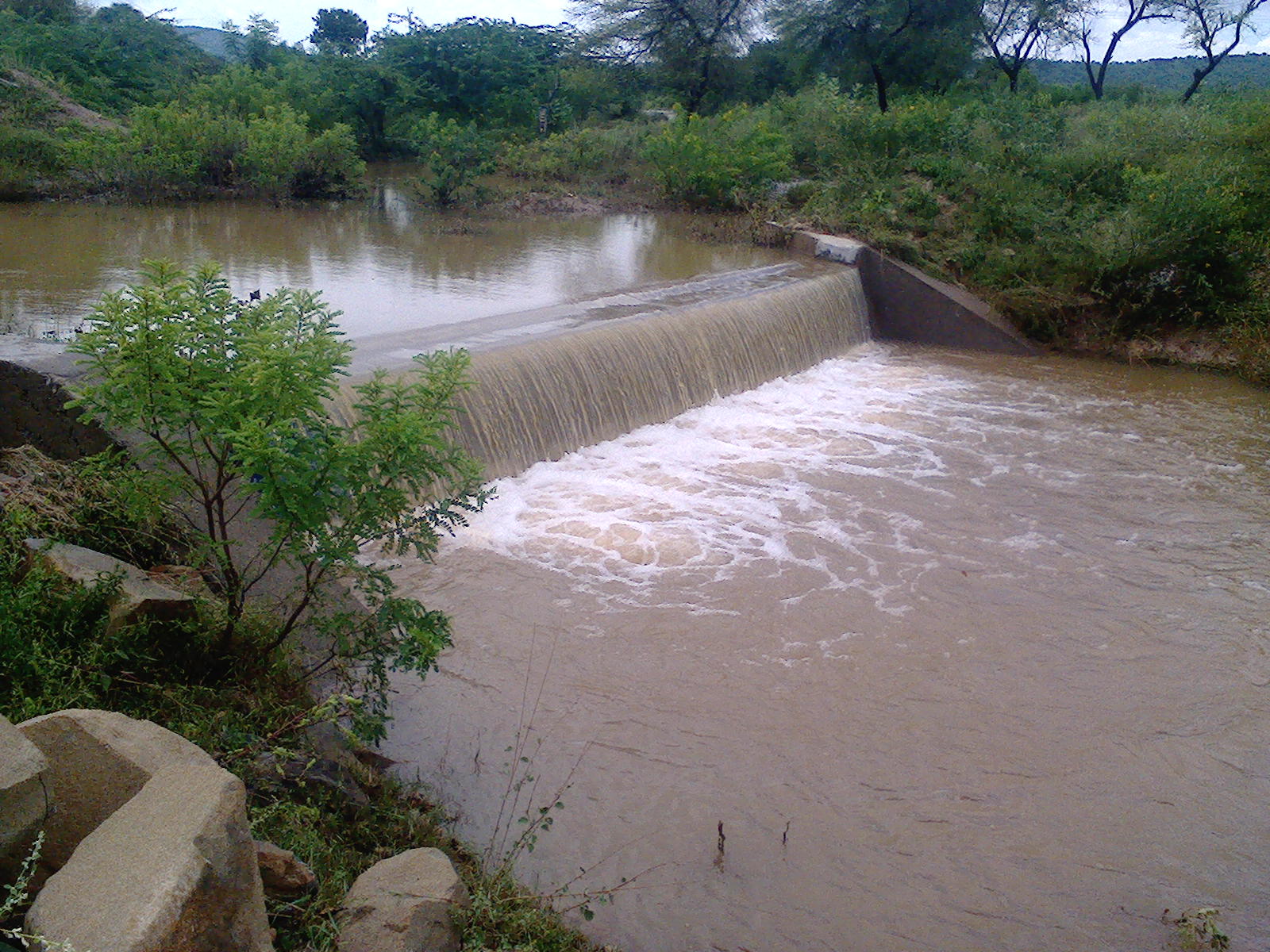
This project aims to improve the productive potentials of selected watersheds and their associated natural resource base. It further extends to improving skill and employment opportunities with an improvement of resource conservation and land use.

Description

Strengthening water and soil conservation, sustainable agriculture, and livelihood opportunities for small and marginal farming communities in Devarakonda Mandal.


Description

This project aims to improve the productive potential of selected watersheds while strengthening the natural resource base on which rural and tribal communities depend for their livelihoods.

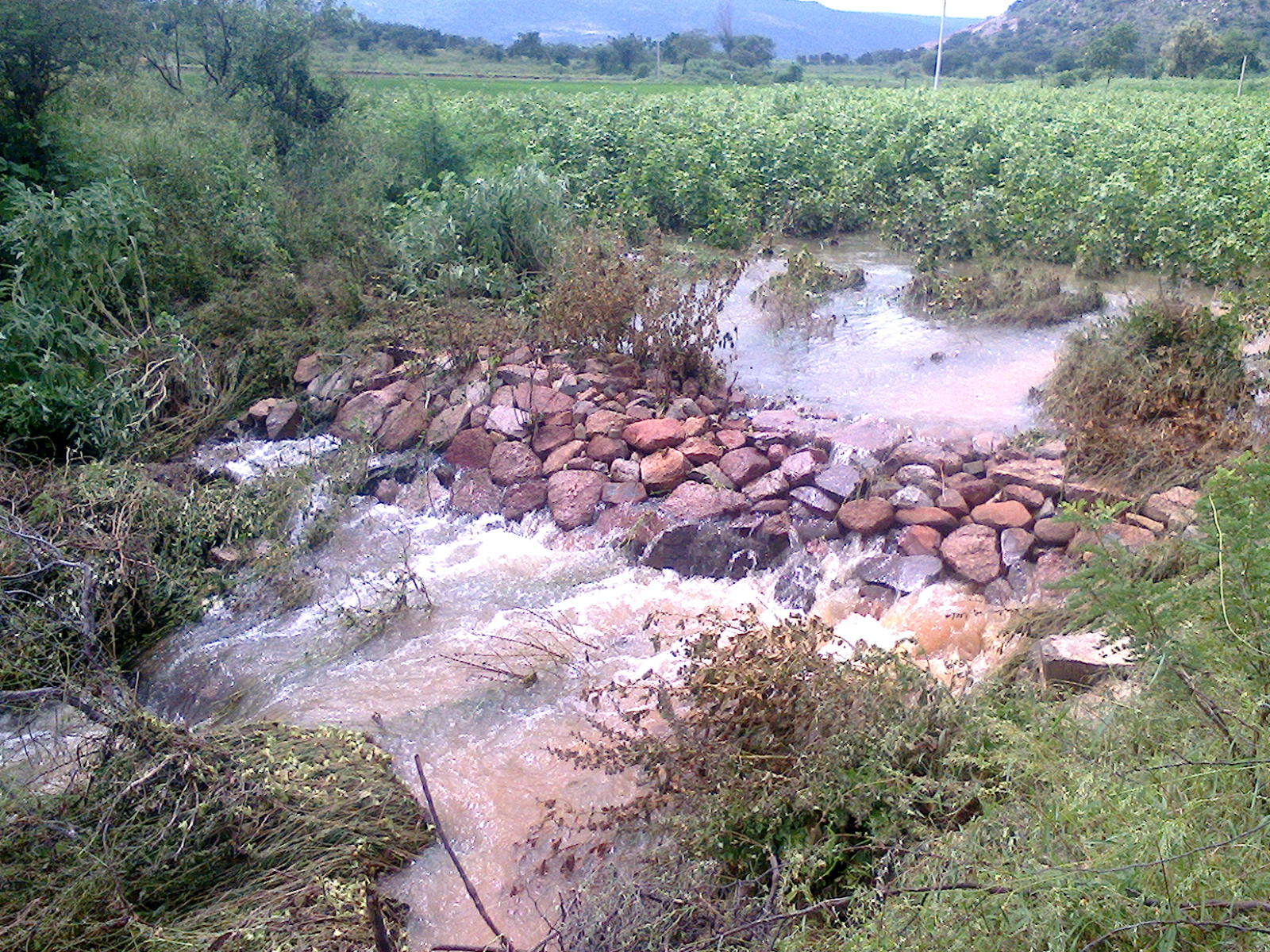
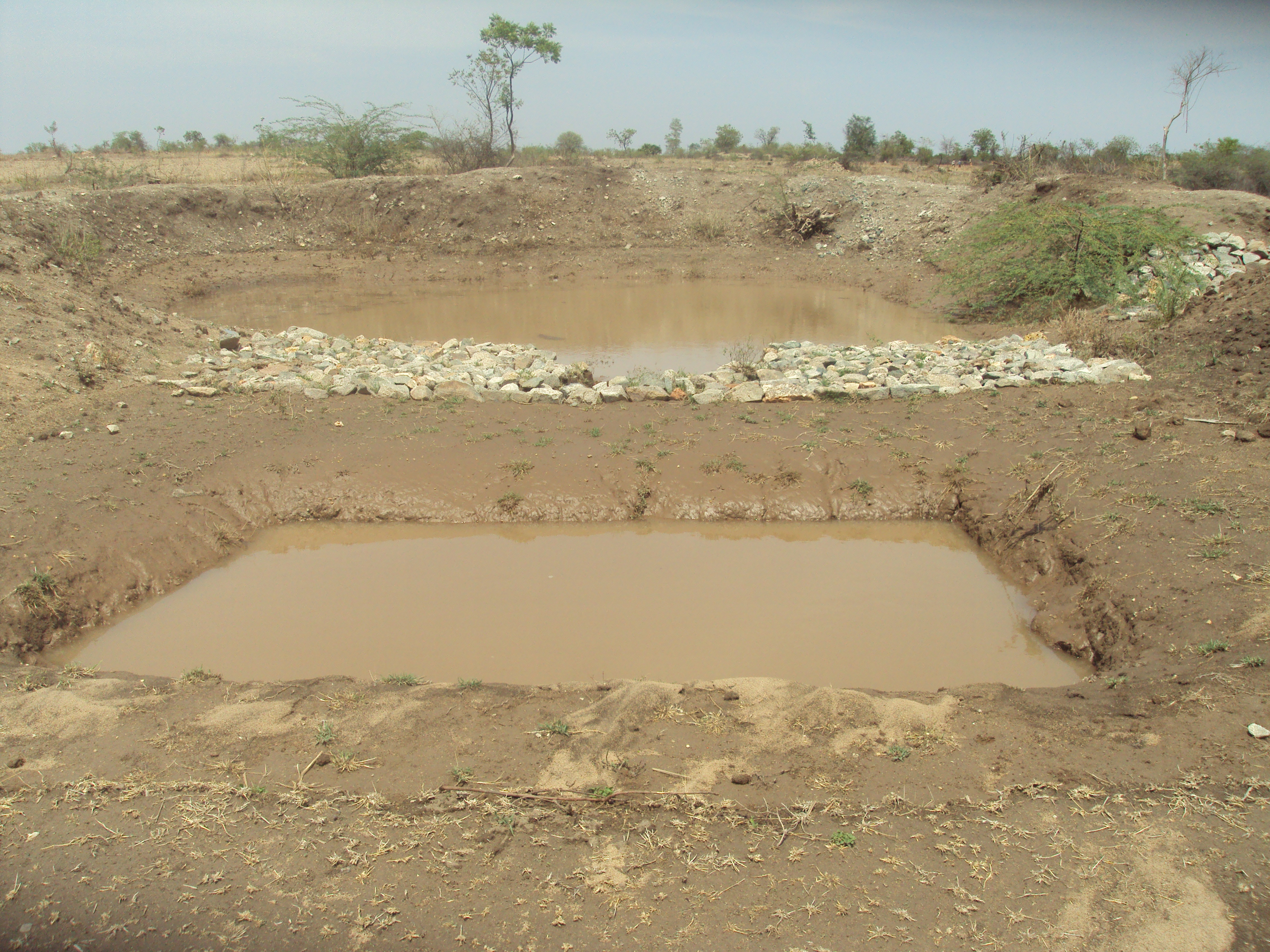
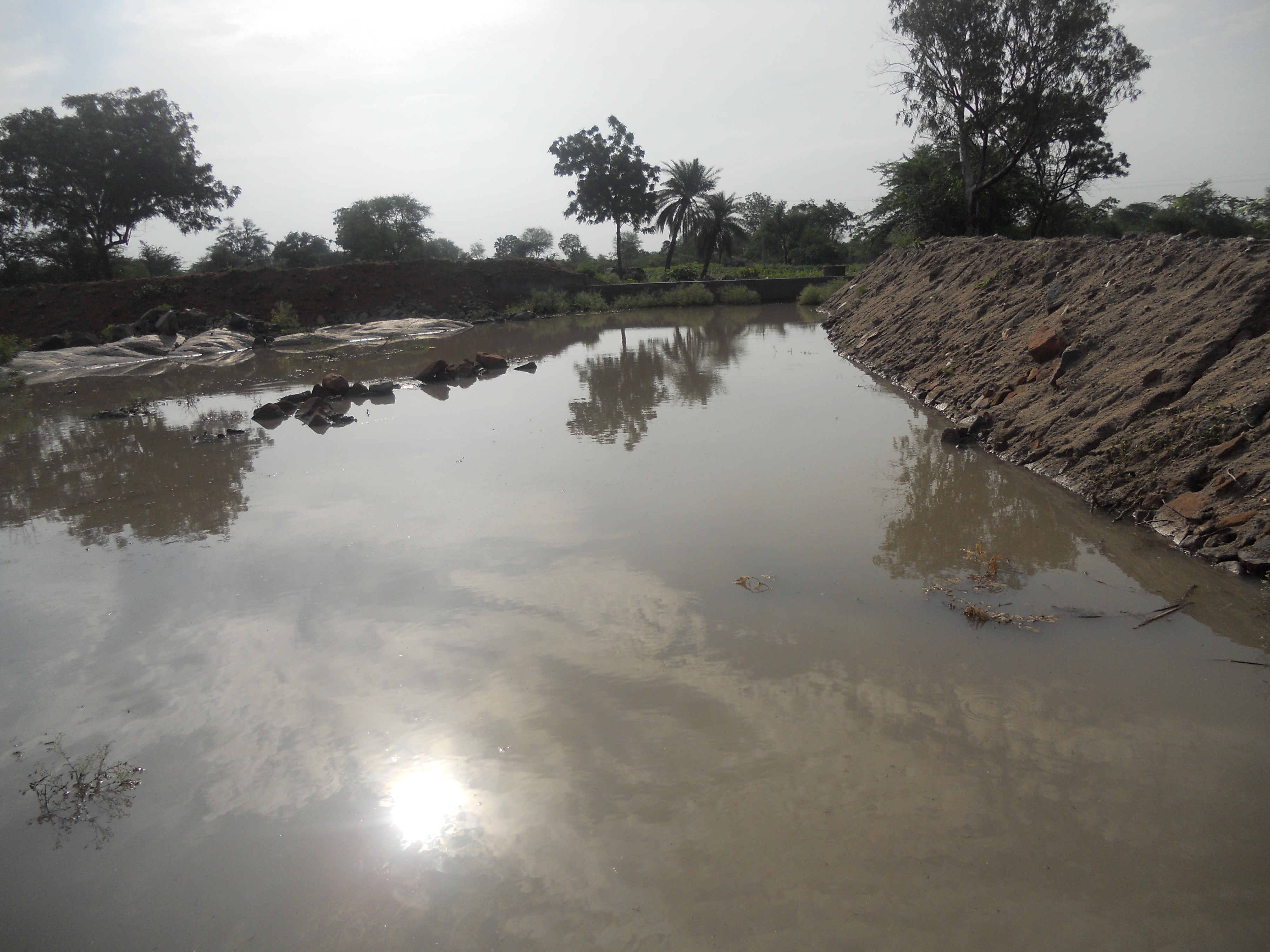
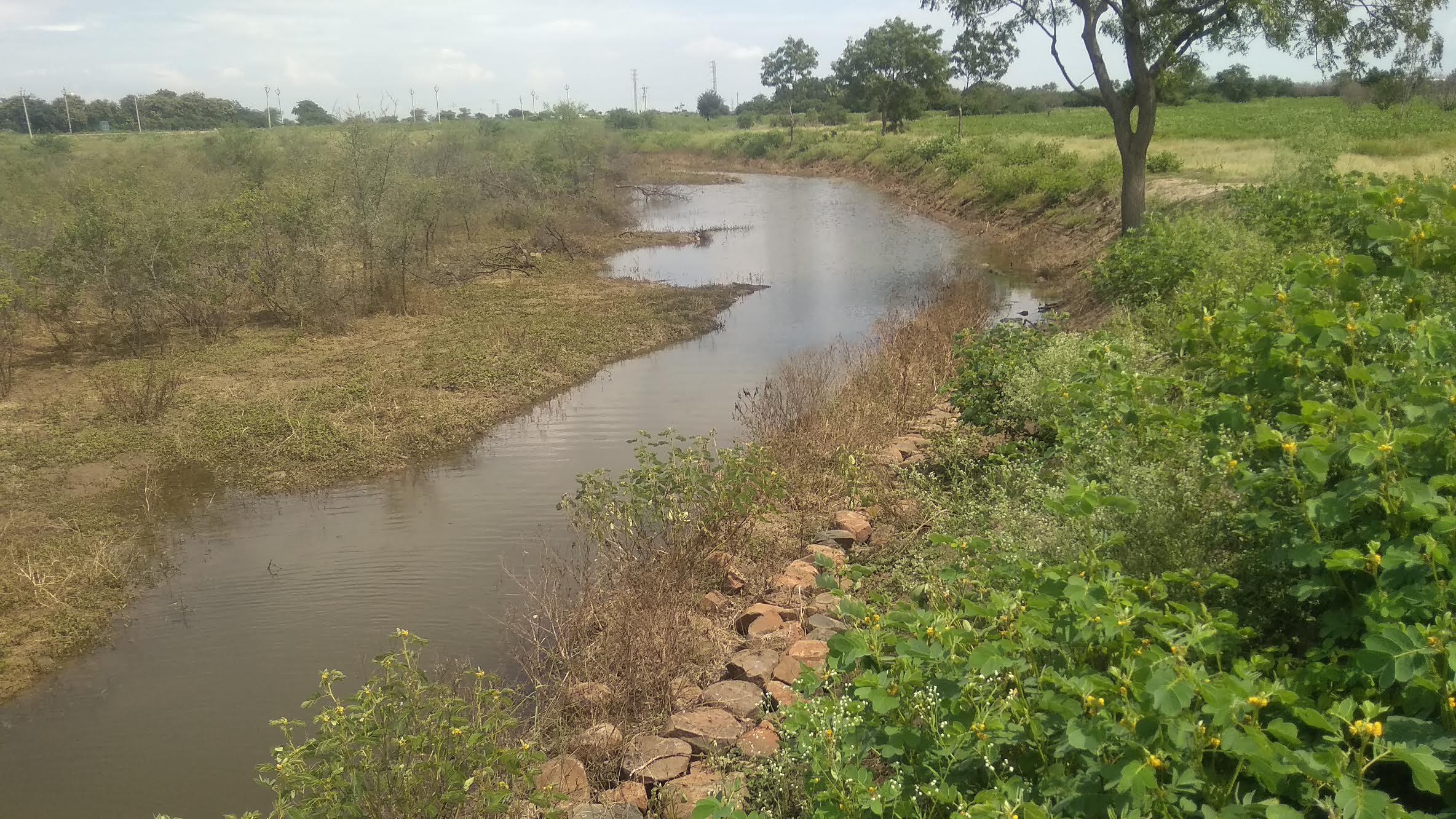
The intervention focuses on soil and water conservation, sustainable land use, groundwater recharge, improved agricultural productivity, and livelihood development. Water will be conserved as close as possible to where rainfall occurs, while excess runoff will be safely diverted to storage structures for use during periods of water stress.

The project will promote land-use practices suited to local conditions, improve soil cover, reduce erosion and gully formation, and support groundwater recharge. Agricultural interventions will focus on increasing productivity through improved cropping intensity, intercropping, sequence cropping, and efficient use of land and water resources.

Alongside natural resource management, the project will identify livelihood and income-generating opportunities suited to the socio-cultural context of participating communities. Capacity building, livelihood support, and improvements in storage, transportation, and marketing will help strengthen the economic resilience of farmers and tribal SHG members.


Primary Goals

  1. Improve the productive potential of selected watersheds.
  2. Conserve soil and water and strengthen groundwater recharge.
  3. Promote sustainable land use and climate-resilient agriculture.
  4. Improve agricultural productivity and cropping intensity.
  5. Reduce soil erosion and degradation.
  6. Improve water availability for agriculture during stress periods.
  7. Develop sustainable livelihood and income-generation opportunities.
  8. Strengthen the capacity and self-employability of tribal SHG members.
  9. Improve the socio-economic resilience of small and marginal farmers.


Key Activities

  1. Assess land and watershed resources and promote land use according to local capability.
  2. Promote in-situ rainwater conservation and soil-moisture management.
  3. Develop suitable water-storage and runoff-management structures.
  4. Divert and store excess runoff for supplemental irrigation during water-stress periods.
  5. Implement measures to control soil erosion and gully formation.
  6. Promote groundwater recharge through appropriate watershed interventions.
  7. Encourage intercropping, sequence cropping, and improved cropping practices.
  8. Support efficient utilization of land and water resources for improved productivity.
  9. Identify locally appropriate livelihood and income-generating activities.
  10. Provide tools, skills, and capacity-building support to farmers and tribal SHG members.
  11. Strengthen storage, transportation, and marketing infrastructure where required.
  12. Promote integrated crop-livestock-tree-labour systems for diversified and more stable livelihoods.


Intended Impact

  1. Improved soil and water conservation across selected watersheds.
  2. Increased groundwater recharge and water availability.
  3. Reduced soil erosion and degradation.
  4. Improved agricultural productivity and cropping intensity.
  5. Greater availability of water for supplemental irrigation.
  6. Increased livelihood and income-generation opportunities.
  7. Stronger capacity and self-employability among tribal SHG members.
  8. Reduced livelihood risks associated with water scarcity and irregular rainfall.
  9. Improved access to storage, transportation, and marketing support.
  10. Improved socio-economic resilience of small and marginal farming households.
  11. Reduced dependence on migration as a coping mechanism for livelihood insecurity.


Problem Statement

Devarakonda Mandal comprises predominantly poor villages with a significant population of Scheduled Tribe (ST) and Scheduled Caste (SC) families. Most farmers are small and marginal landholders, with holdings generally ranging from 1–3 hectares.

The region faces soil erosion, land degradation, and acute water scarcity, while agriculture remains the primary source of livelihood for many households. Limited alternative employment opportunities can increase dependence on wage labour and seasonal migration to nearby towns and cities.

Water stress and degraded natural resources further reduce agricultural productivity and increase livelihood risks for vulnerable farming households.

There is a need for an integrated watershed approach that conserves soil and water while improving agricultural productivity, livelihood opportunities, and community capacity.

Project Goal

This project will accomplish these additional goals

The project aims to:

  1. Improve the productive potential of selected watersheds.
  2. Strengthen in-situ conservation of rainwater and soil moisture.
  3. Improve groundwater recharge and local water availability.
  4. Reduce soil erosion and restore degraded land.
  5. Promote sustainable and efficient agricultural practices.
  6. Increase cropping intensity and productivity per unit of land and water.
  7. Encourage diversified crop-livestock-tree-based livelihood systems.
  8. Identify livelihood opportunities aligned with local socio-cultural practices.
  9. Strengthen income-generation and self-employment opportunities for tribal SHG members.
  10. Provide tools, skills, and capacity-building support to vulnerable communities.
  11. Improve storage, transportation, and marketing infrastructure.
  12. Reduce livelihood vulnerability and dependence on migration.
  13. Create sustainable improvements in agricultural and livelihood practices beyond the project period.


Support this watershed initiative in conserving natural resources while strengthening agriculture, livelihoods, and economic resilience among vulnerable farming and tribal communities.

Sustainable Development Goals
Action for Rural Development Society
Greetings from ARDS. We wish to bring few lines to your kind perusal Sir/ Madam. ARDS has vast experience in implementation of watershed programs since 2002 while implementing AndhraPradesh Rural Livelihoods Program, Integrated Watershed Management Program & WDF-NABARD watershed and other Vocational Training programs Since 26 years. Nearly 17000 ha Agricultural dry land had been treated with Horticulture, Silo Mature conservation activities, Water Harvesting structures towards enhancing Farm based livelihoods in target area. ARDS is a registered Non-Government Organisation, working in Devarakonda, Chandampeta, Neredugommu and PeddaAdserlaPally, DINDI Mandals in Nalgonda Districts of Telangana. We are implementing 3 Numbers of Farmer Producer Company’s with 1446 member share holders, Community Based Agricultural Watershed Development Program in VaidoniVompu village of Devarakonda Mandal and Climate Proofing Program at MarrichitteuThanda, KorraThanda(M) in Devarakonda Mandal of Nalgond

CSR Reg No No

Tax Benefit Yes

Beneficiaries Environment, Farmers, Others

Sector(s) Livelihood Enhancement Projects, Agro Forestry, Conservation of Natural Resources and Maintaining Quality of Soil, Air and Water , Ensuring Environmental Sustainability, Ecological Balance, Socio-Economic Inequalities

Duration 79 months

Project Cost 3,60,00,000

Location Nalgonda, Devarakonda Mandal

FAQs related to payment fees

truCSR is a CSR platform providing support to both implementers and Contributors to achieve their social development goals. We provide digital solutions to drive social impact change. The “truCSR” platform is owned and developed by an incorporated private limited company headquartered in Mumbai. The company was founded by like-minded professionals having cumulative experience of more than 100 years in field of CSR, finance, taxation, corporate and allied laws, corporate governance, strategic management, etc.

© truCSR